The Meaning of Salvation — What Does It Mean to Be Saved?
"Are you saved?" It is a question asked across churches worldwide. But what does salvation actually mean? Saved from what? Saved for what? And how does it happen?
What Does "Salvation" Mean?
The word "salvation" comes from the Latin salvare, meaning "to save" or "to heal." In the biblical context, salvation means being rescued from the power and consequences of sin — and being restored to right relationship with God.
Sin, in Christian theology, is not merely breaking rules. It is a fundamental rupture in the relationship between humanity and God. Like a child running away from a loving parent, sin separates us from our source of life, joy, and meaning.
Salvation Through Jesus Christ
Christianity teaches that salvation comes through Jesus Christ alone. "For God so loved the world that he gave his one and only Son, that whoever believes in him shall not perish but have eternal life" (John 3:16). This is perhaps the most famous verse in the Bible.
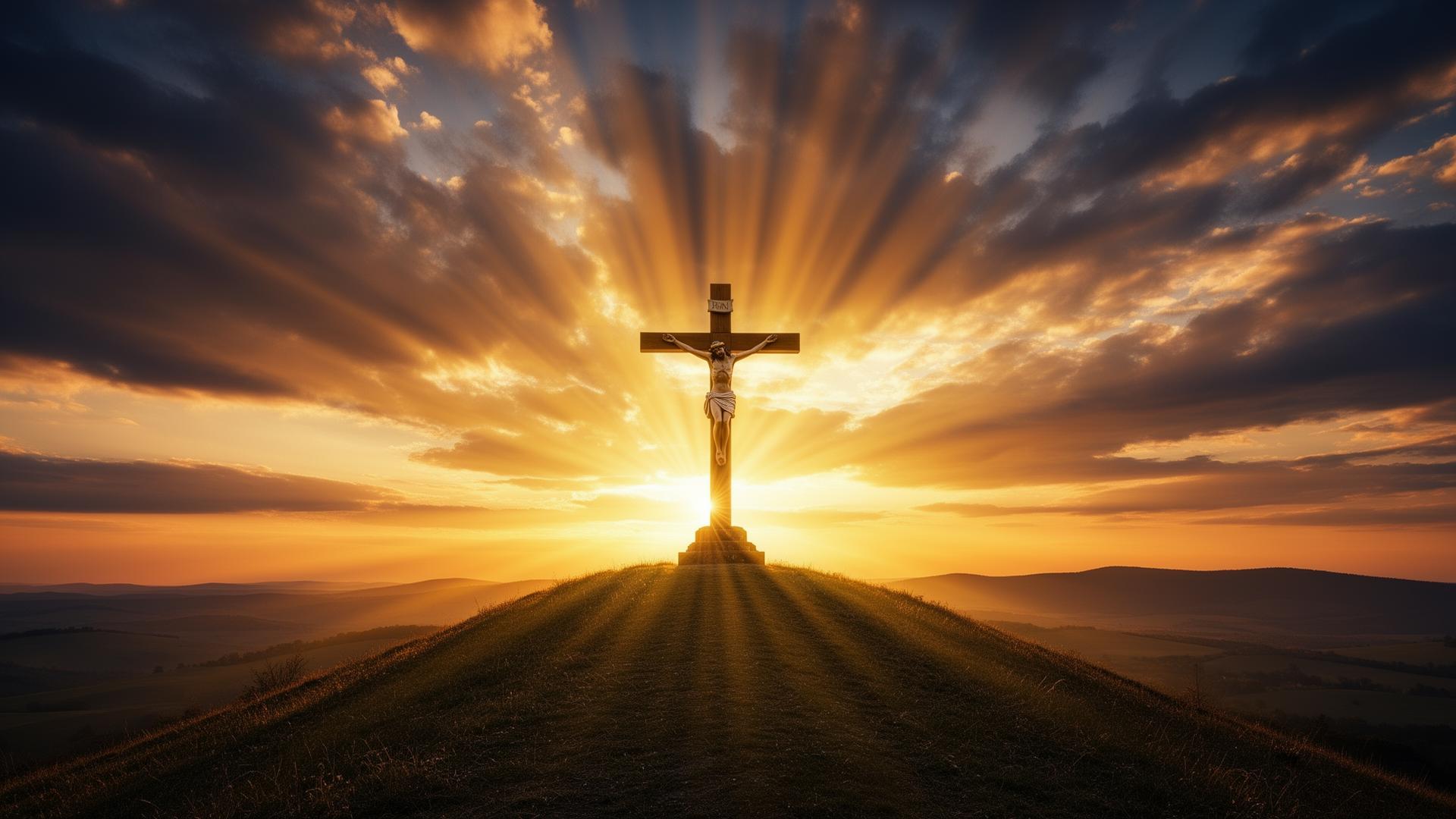
Jesus accomplished salvation through His death on the cross and His resurrection. His sacrifice paid the price for human sin — not because God needed a blood payment, but because the cross demonstrates the depth of God's love and the seriousness of sin simultaneously.
Grace, Faith, and Works
One of the most debated questions in Christianity is the relationship between faith and works. The Catholic position is that salvation is entirely a gift of God's grace — we cannot earn it. But genuine faith necessarily produces good works, just as a living tree necessarily produces fruit.
- Paul writes: "For it is by grace you have been saved, through faith — and this is not from yourselves, it is the gift of God" (Ephesians 2:8).
- James writes: "Faith without works is dead" (James 2:26).
These are not contradictions but complementary truths. Grace initiates, faith receives, and love responds through action.
Can Anyone Be Forgiven?
Yes. The Bible is unequivocal: "If we confess our sins, he is faithful and just and will forgive us our sins and purify us from all unrighteousness" (1 John 1:9). No sin is too great for God's mercy — except the sin of permanently refusing to accept it.
The thief crucified alongside Jesus had done nothing to earn salvation. Yet Jesus told him: "Today you will be with me in paradise" (Luke 23:43). This shows that salvation is available to everyone, at any moment, through genuine repentance and faith.
The Sacraments and Salvation
In Catholic teaching, the sacraments are the ordinary means by which God's saving grace reaches us:
- Baptism — The gateway to salvation, washing away original sin and uniting us to Christ.
- Eucharist — Receiving the body and blood of Christ — the source and summit of Christian life.
- Confession — The sacrament of reconciliation, restoring us when we fall.
- Confirmation — Strengthening us with the Holy Spirit for mission.
Salvation Is Not Just "Going to Heaven"
While eternal life with God is the ultimate goal, salvation begins now. Being saved means being healed, transformed, and liberated in this present life — freed from addictions, bitterness, fear, and meaninglessness. Jesus said: "I have come that they may have life, and have it to the full" (John 10:10).